
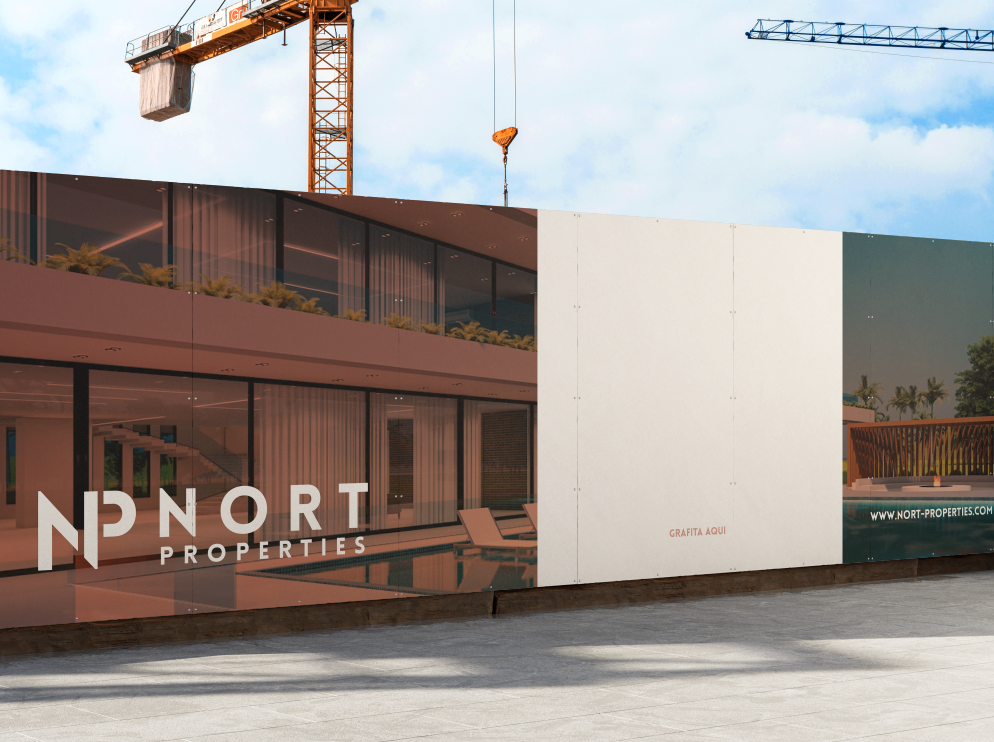

Nort Properties operated with a fragmented market approach where developments lacked distinct positioning, limiting long-term brand equity and reducing perceived differentiation between projects. Commercially, the company remained dependent on intermediary-driven sales structures that reduced margins and weakened direct relationships with buyers. Additionally, branding, architecture, and commercial strategy operated in parallel rather than through a unified development framework, creating inconsistencies between concept, product positioning, and market communication.
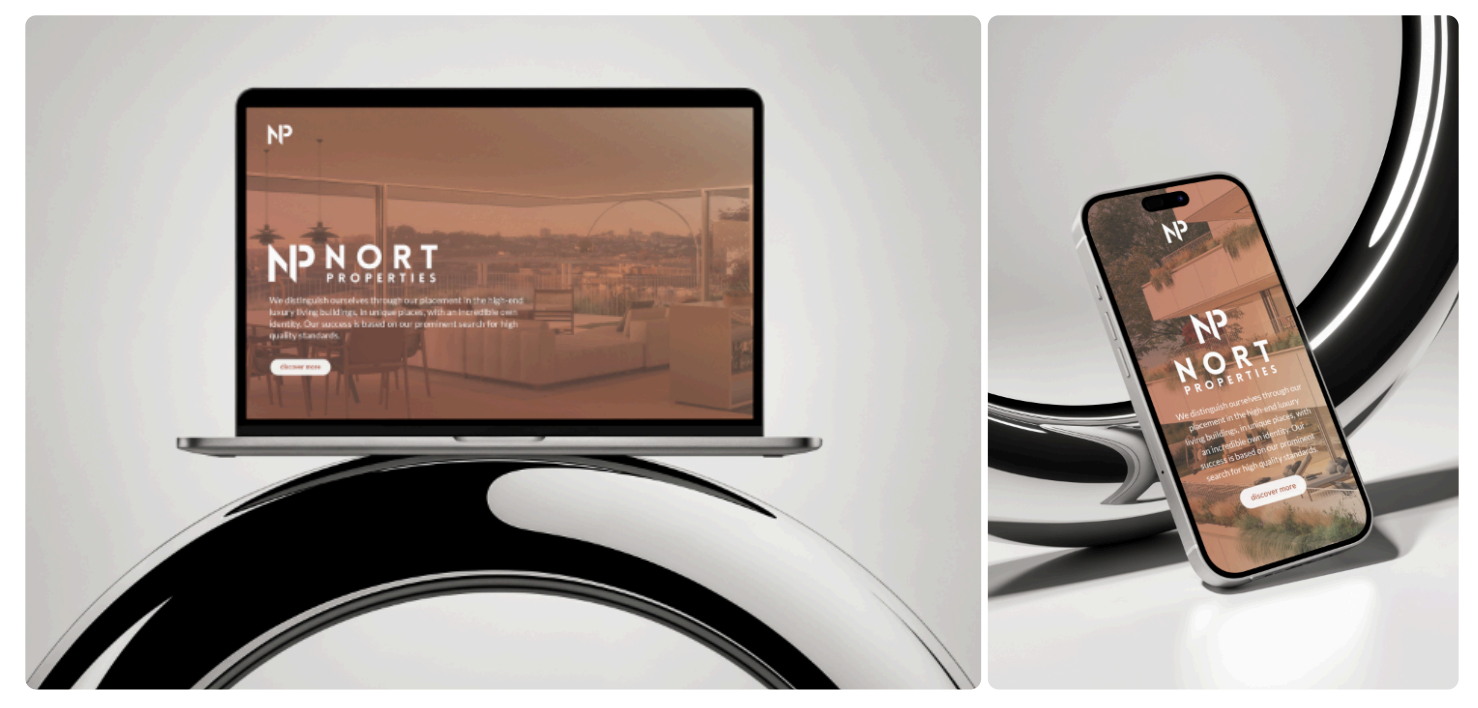
nineyards restructured the company across brand, development, and commercial layers. We redesigned the Nort Properties identity, including a new brand system, logo, and website architecture aligned with a more disciplined and premium market positioning. At development level, we defined a strategic framework where each real estate enterprise would operate as its own conceptual brand. Every project received an independent narrative, visual direction, mood, and positioning logic designed around the intended buyer profile and architectural vision. We developed naming systems, visual identities, color frameworks, and conceptual positioning for multiple developments, working directly alongside architects to align brand architecture with the physical and experiential characteristics of each project. This intervention influenced not only communication outputs, but also how developments themselves were conceived and structured from the earliest stages. Commercially, we redesigned the sales infrastructure by implementing lead generation systems, PPC acquisition strategy, AI-assisted lead scoring mechanisms, and database qualification processes. This enabled Nort Properties to build direct relationships with highly qualified buyers and reduce dependency on external intermediaries absorbing commercial margin.
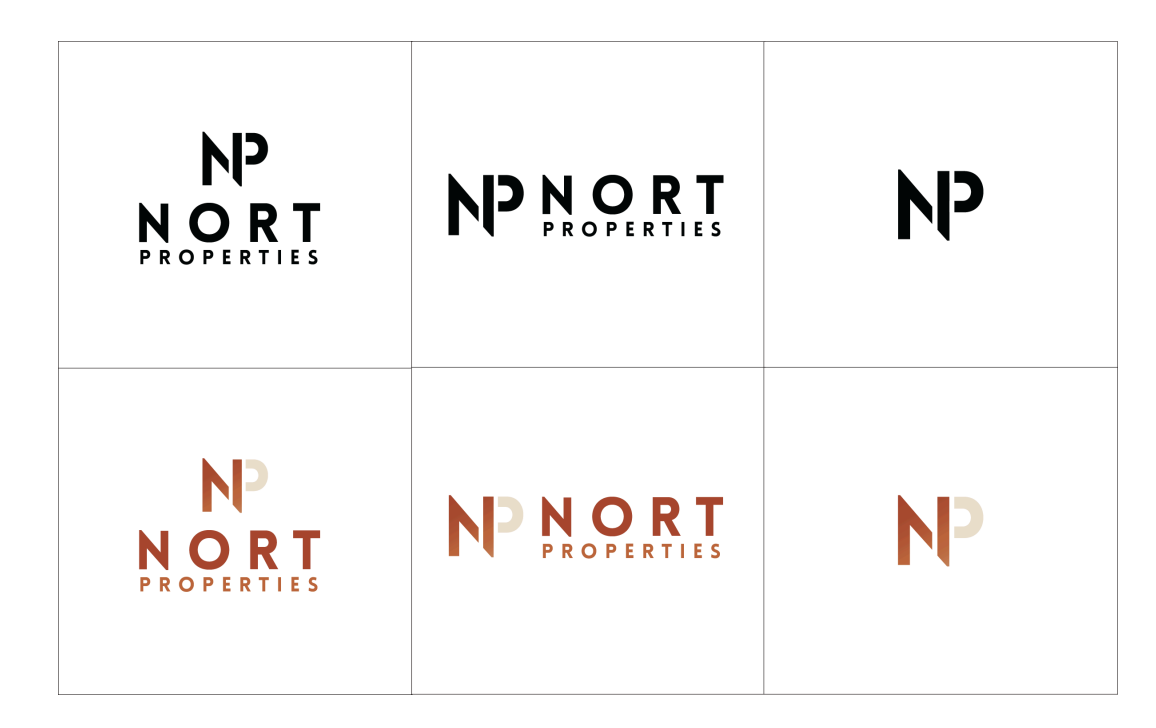
Nort Properties transitioned from a conventional real estate operation into a structured development ecosystem with clearer positioning, stronger conceptual differentiation, and greater commercial control. The company established a scalable framework for launching future developments with independent market identities while maintaining overarching strategic coherence. The implementation of direct acquisition and qualification systems strengthened sales autonomy, improved lead quality, and supported a more efficient direct-to-consumer commercial model.


Delivery
Create
inspire
Design
Delivery
Create
inspire
Design
Delivery
Create
inspire
Design
Delivery
Create
inspire
Design
Delivery
Create
inspire
Design
Delivery
Create
inspire
Design
info@nineyards.pt


-
-
-
-
-
-
-
-